Is juice good for you? Or a good way to incorporate additional nutrients into your diet? That may depend on what kind of juice you’re drinking.
Growing up, I remember starting many mornings with a glass of juice at breakfast. During cold and flu season, I’d chug some OJ in hopes of boosting my immune system. And I’ll never forget that summer in high school when (for nearly eight hours) I attempted my first “juice cleanse”.
Like many people, for most of my life, I assumed that store-bought juices were a healthy way to incorporate fruit servings into my day. Especially if I was buying the kinds advertised as “organic” or “not from concentrate”.

I knew you don’t need to go overboard drinking juice, since by the ounce juice can carry as many empty calories and sugar as soda. But in terms of getting an extra boost of vitamins, a big glass of fruit juice is a great way to do it, right?
The answer to that question may depend on what kind of juice you’re consuming. And if it’s juice from your local grocery store, you’ll want to keep reading. Because we’re about to take a closer look into the world of mass-produced juice.
How is the Juice You’re Drinking Made?
If you make fresh juice at home, you’ll know that it stays good for about a week. That’s obviously too short of a time-frame for mass-produced juice to be processed, packaged, shipped and sold before spoiling. So how do big brand juice companies extend the shelf-life of their products?
In her book, Squeezed: What You Don’t Know About Orange Juice, accomplished scholar and food activist Alissa Hamilton examines the mass-produced juice industry with a look at how orange juice is made. And it’s not a very natural process. Hamilton shares some of the details from her research in her guest post, Freshly Squeezed: The Truth About Orange Juice in Boxes, on civileats.com.

According to her research, once the fruit has been squeezed and strained, it’s put through a pasteurization and deaeration process. The juice is heated to high temperatures to kill any potentially harmful bacteria (also killing good bacteria and damaging vitamins) and stripped of all oxygen to avoid oxidation while it is stored in large tanks. These processes help to greatly extend the shelf life of the now colorless, flavorless juice which may then be stored for up to a year before further processing.
When it’s ready to be packaged and sold, the juice is recolored and re-flavored by the aid of flavor packs. These packs are designed by fragrance companies to suit popular smells and flavors among American consumers. Meaning that the finished product often doesn’t taste like the actual oranges from which it was squeezed.

A quick glance at the ingredient label of popular juice brands will also reveal a list of synthetic vitamins (like ascorbic acid, aka synthetic Vitamin C). These are added to the juice to boost nutritional content and make up for the natural vitamins and nutrients lost or damaged in the storage process.
Can nutrients still be derived from consuming synthetic vitamins? Certainly. Although there is some disagreement about exactly how much is being absorbed by the body and some studies that call into question the safety of ingesting large amounts of synthetic vitamins.
But the better question might be: If you’re drinking juice for health benefits, why do it with a glass of heavily processed, recolored, reflavored, synthetic-vitamin-filled juice?
I think most likely it’s because, like myself for years, many people just aren’t aware of what goes into the juice they’re buying.
Watching Out for Labeling Loopholes
In the last decade or so, buzzwords like “organic” and “natural” have been popping up on products as the food industry strives to cash in on current health trends. Just walk through a grocery store and you’ll see many “healthy” declarations printed on labels.
But some of those labels are sneakier than they may seem.
Just because a product says “made with” an organic ingredient doesn’t mean you’re looking at an organic finished product. “No sugar added” doesn’t mean something contains no or low sugar (or that it’s necessarily any better for you). And the loophole for “naturally flavored” is an interesting one.
The reason that you won’t see the words “flavor pack” printed on the ingredient list on name brand juices is due to an arguably deceptive technicality that Hamilton detailed in an interview with The New Yorker:
“Flavor packs are fabricated from the chemicals that make up orange essence and oil. Flavor and fragrance houses, the same ones that make high end perfumes, break down orange essence and oils into their constituent chemicals and then reassemble the individual chemicals in configurations that resemble nothing found in nature. Ethyl butyrate is one of the chemicals found in high concentrations in the flavor packs added to orange juice sold in North American markets, because flavor engineers have discovered that it imparts a fragrance that Americans like, and associate with a freshly squeezed orange.”
“Naturally flavored” certainly has a different ring to it than “chemically manipulated components from oranges for flavor”. And an image of a straw being placed directly into an orange is certainly more appealing than one of flavor packs being added to vats of colorless, flavorless juice in a factory.
What about 100% Juice or not from concentrate?

As it turns out, one of the main differences between concentrate and non-concentrate juices is not actually the freshness of the product. It’s the cost of producing it. According to Hamilton’s research, the cost of creating and storing pasteurized juice is a lengthier, more complicated process than concentrate.
She elaborates on some of the details in her guest post on civileats.com:
“In the 1980s Tropicana coined the phrase “not from concentrate” to distinguish its pasteurized orange juice from the cheaper reconstituted “from concentrate” juice that began appearing alongside it in the refrigerator section of supermarkets. The idea was to convince consumers that pasteurized orange juice is a fresher, overall better product and therefore worth the higher price. It worked. Over the next five years sales of Tropicana’s pasteurized juice doubled and profits almost tripled.”
Don’t be a Scientific Scaredy-Cat
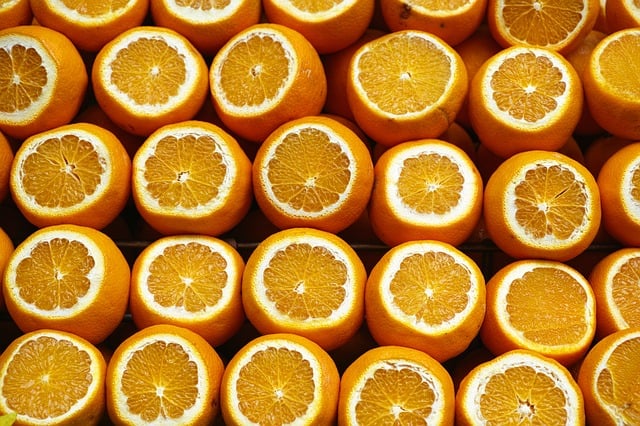
Now, I’m certainly not afraid of the scientific advancements that have been made over the years in food, farming and agricultural circles. Am I advocating that all pasteurization and added chemicals in food production is bad or wrong? Certainly not. There are legitimate safety concerns about the way mass-produced foods products are processed to ensure that people don’t contract foodborne illnesses.
But just because a product in a store is safe for consumption doesn’t make it the best choice nutritionally for fueling your body.
Supplements and synthetic vitamins also aren’t evil. So long as they don’t trump trying to glean a majority of your nutrients from whole food sources. If your only option to consume fruit was via store-bought juices, a pasteurized juice would be the safest option given the length of time many items spend in storage or sitting on a shelf.
And if your only option for getting nutrients like Vitamin C was to consume a synthetic version of it, that would certainly be better than nothing. (Just imagine how many pirates could have sailed the seven seas scurvy-free with a sword in one hand and a jug of OJ in the other.) But fortunately, for many people, it isn’t the only option.
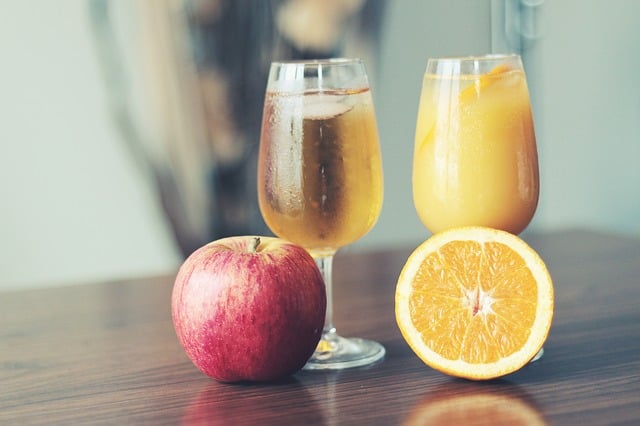
Knowledge is power.
Understanding how certain foods are processed can help empower you to make more informed decisions about what you consume. And if one of your goals is to build better nutritional habits, that knowledge can mean meeting goals and overcoming plateaus more efficiently.
Is having a glass of store-bought fruit juice going to kill you? Doubtful. Does it make you a bad or unhealthy person? Of course not.
There’s nothing wrong with an occasional glass of juice for enjoyment. But if you’re drinking it with the specific goal of improving your nutrition, is that juice the best choice for getting in an extra dose of vitamins? Probably not. The better option would be to either make your own fresh juice or simply eat a piece of fruit with your meals.
Criminalizing Juice Companies and Employees

Since Hamilton’s research has emerged, a number of lawsuits for misleading advertising have been raised against juice manufacturers. There’s also been a level of criticism thrown at people working for such companies.
It’s absolutely not my intention to demonize the individuals working within the mass-produced juice industry. Marketing teams follow health trends and try to create effective sales campaigns because that’s what they’re paid to do. Farms and processing factories for juice create countless jobs for Americans across the country.
At the end of the day, many of these people are just trying to do what we’re all trying to do: Make a living and pay bills, right? My focus in this post isn’t to cast stones, simply to share information.
Final Thoughts on if Drinking Juice is Good for You
Pasteurized juice or juice from concentrate certainly isn’t the worst thing in the world for someone to drink. 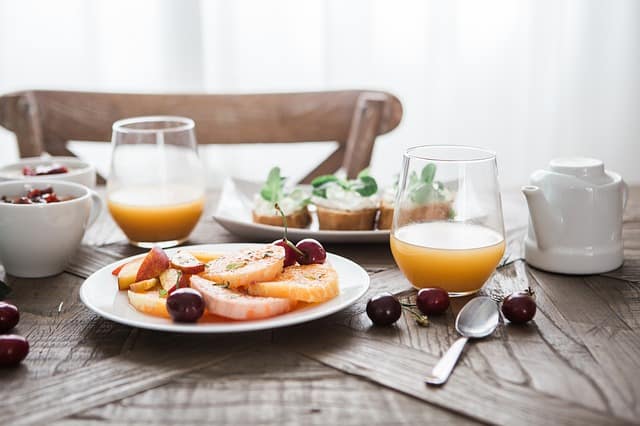
But that being said, it’s also true that at the end of the day, you only get one body. And you have to do what you have to do to ensure you’re taking care of it. Which includes making informed decisions about what you consume to try and live a long, healthy life.
In that sense, we all have a personal responsibility to care for ourselves as best we can; to ensure our best quality of life now and for years to come.
I’m not implying that store-bought juice is going to suddenly make or break your longevity in a few gulps. But in the big picture of our lives, even little steps make up that path we follow to better health.
If one of those little steps can be a positive choice, like making your own juice or just eating an orange in place of a glass of recolored, re-flavored franken-juice, I think that’s a step in the right direction.
Related articles on juice and hydration
- I Tried a One-Day Juice Cleanse with Cold Press Juice
- Celery Juice: Worth It or Over-hyped?
- Fruit-Infused Water: The Benefits, Myths and 20 Fruit Water Recipes
- I Drank a Gallon of Water a Day for a Month (Here’s What Happened)
All writing copyright © 2018 Rachel Elise Weems Woods
Published 06-02-2019. Updated 08-18-2020.
Rachel says
YES! We have never really given my kids juice for this reason! We do, however, have a juicer of our own!
Reese says
That’s the best way to make your own fresh juice at home! And that way you KNOW what’s going into it!
Nicole Anderson says
No doubt like many others, I never fully appreciated all the actual facts behind the juices we drink every day. Reading this post has opened my eyes a lot to the full picture and what is done in order to prolong shelf life. This just goes to show you can’t beat naturally squeezed fruit juice, prepared in your own kitchen!
Reese says
Amen! You really can’t beat making things from fresh ingredients and knowing what’s going into your food!
Kim L (@klacoste16) says
I know that mass marketed juice has a lot of added sugar. Make your own seems to be a much better alternative.
Reese says
Some of them have a lot of added sugar! But often even the ones that advertise “no added sugar” aren’t any better for you!
marciemcheung says
I didn’t realize how unhealthy juice was until I was an adult. Now that I have kids, the pediatrician always makes sure we know not to give our kids tons of juice. It’s definitely a treat!
Reese says
Exactly! There’s nothing wrong with treating yourself now and then, so long as it’s not a regular component of your diet!
Jenni says
This is a great post. I think most people don’t realize how much sugar, natural or refined, is in their juice. We still drink juice, but in moderation and I always prefer fresh-squeezed because it’s healthier and it always tastes better!
Reese says
Having it in fresh and in moderation is a great system! Some people who are big on home juicing will incorporate a little fruit juice in with a big batch of vegetable juice. So they’re mainly taking in veggies, but with some sweetness to wash it down!
Jenn says
I actually do not lot a lot of those commercial juices. We have yet to give my son any juice.
Reese says
That’s probably a good call!
certifiedpastryaficionado says
Wow this is so eye-opening! I was the same way growing up- we always had juice in the house and I had at least one glass a day. Now, we barely ever have it in stock because of all the added sugars. Glad we were doing something right!
Reese says
Same here, unless it’s freshly pressed juice, we try to stay away from it!
Becca Wilson says
This is some really interesting and informative knowledge that you’ve shared. I definitely always thought of OJ as a way to boost my immune system but I guess it really depends what all else is in that juice that we are thinking is so good for us.
Twin Pickle says
I used to be a bit of a juice addict! As a kid and young adult, I just couldn’t drink water. I didn’t like soda either, just juice and flavored water. Thank goodness I’ve broken the habit but do enjoy an occasionally freshly squeezed one.
Reese says
Fresh squeezed is the best!
Em says
I love juice too! Those oranges look so fresh!
Reese says
Lol it all depends on where the juice comes from and how it was made!
ememist says
I love juice too! Those oranges look so fresh!
Blu says
I’m not going to lie, when I read the title I was a little bit nervous. But I’m glad I’m on the right path. When i do drink juice 90% of the time it’s juiced and not store bought! 🙂 this was very interesting to read!
Blu
Reese says
The more you learn about what goes into factory created foods it does get a little scary sometimes, haha! But yes, the fresher you can make something, the better!
Joscelyn says
What an informative post! I didn’t know that about commercial orange juice. It’s really scary how industries and be misleading consumers to purchase a product without full disclosure of what they’re getting. Making your own fresh juice is much better for you and you know exactly what’s in it.
Reese says
It really can be a little scary! Which is why knowledge is such power!
Grace says
It’s crazy to think how much sugar is in juice when we’re told that it’s healthy for us. My parents used to tell me to drink a glass a day!
Reese says
Advertising can be so deceptive! It’s amazing how we grow up trusting it when it’s coming from the people who just want to make money off their product!
Naomi says
This is such an interesting post. I use a juicer at home and for that reason I never really touch store bought. I’ve never given it much more thought to be honest. Thanks for sharing!
Reese says
I have one too and I love mine!
valerie christie says
Before even reading your very informative article, I was not a big cheerleader for drinking juice. It is not surprising what they do to keep it lasting longer.
Reese says
Lol yep. Not that surprising when you think about it!
Nancie says
I have my own juicer. I don’t drink juice very often, but when I want some I simply make my own. My favorite is fresh carrot, and I don’t add anything else.
Reese says
Carrot juice is so yummy!
Monica Grant says
This is my jam! I love this kind of stuff, I love my orange juice and I totally associate it with wellness. But it is so processed and has so much sugar. Thanks to your the last kick, now I will finally give it up!
Reese says
Or just start making your own at home!
Daisy says
I don’t drink juice because I’m diabetic and it sends my sugars dangerously high…. however if I drop dangerously low, a bit of juice is needed…
Reese says
You certainly want to make sure you’re taking care of yourself!
Ann Snook says
I used to drink a ton of juice as a kid but haven’t really done it as an adult. I try to stay away from any drinks that aren’t water just for the empty calories reason!
Reese says
Very good reasoning! Many drinks out there are full of empty calories!
Eileen Mendoza Loya says
Fruit juice that is freshly made at home is always the best. No matter how many times the word “organic” shows up in labels of packaged/processed fruit juice, there is and will always be preservatives and other additives. If we can’t have freshly made fruit juice at home, we’d rather eat the whole fruit instead.
Rosey says
My daughter in law won’t give it to my granddaughter. She is a fanatic about eating healthy and says juice has too much sugar for a toddler.
Reese says
She knows her stuff! There is as much sugar in store-bought juices as there is in many sodas.
Kevin says
Yes! I’m all for natural juices! Aside from the wonderful health benefits, I like the taste better.
Reese says
Amen to that!
ninalehan21 says
oh my god, i drink a lot of juice but its freshly made at home. i do prefer it that way